

What’s the Difference Between Polyurethane and Urethane Floor Coatings?
When you start looking into floor coating options for an industrial space, garage, or commercial facility, you’ll run into both “urethane” and “polyurethane” almost immediately. Sometimes they appear side by side in the same brochure. Contractors use them interchangeably. Product spec sheets seem to treat them as the same thing.
So which is it? Are they different products, or just different names? And more importantly, how does polyurethane flooring actually perform compared to the other coatings you’re evaluating?
Here’s a clear breakdown of the terminology, the chemistry, how polyurethane floor coatings perform in real-world conditions, and how they compare to epoxy so you can make a confident decision.
Urethane and Polyurethane Are the Same Thing
The short answer: there is no meaningful difference between urethane and polyurethane. They refer to the same material.
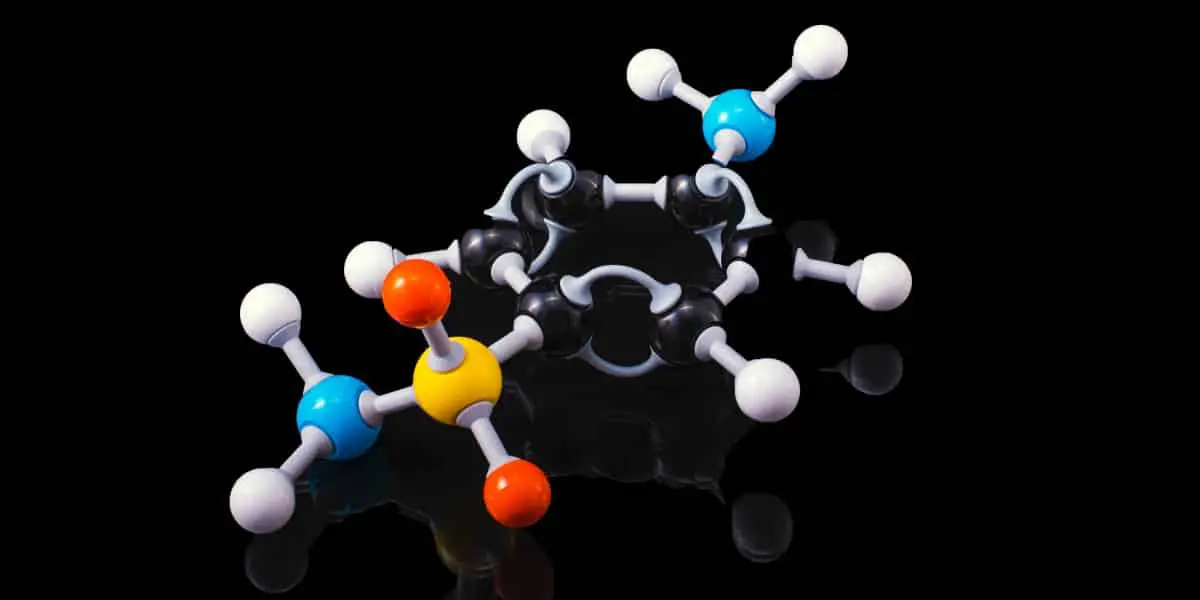
Polyurethane is an organic polymer made up of repeating urethane units. The prefix “poly” simply means many, so polyurethane is a chain of many urethane units bonded together. Because polyurethane contains urethane within its structure, the two terms have been used interchangeably across decades of product marketing and industry literature.
Some manufacturers use “urethane” because it’s shorter. Others use “polyurethane” because it sounds more technical. A few use both depending on the context. None of these choices indicate a different product.
If a contractor or supplier uses one term and a product spec sheet uses the other, they are talking about the same coating system.
How Polyurethane Floor Coatings Work
Polyurethane coatings cure by cross-linking polymer chains into a dense, flexible network. Unlike epoxy, which cures into a rigid surface, polyurethane retains a degree of flexibility after it hardens.
This flexibility is one of its most valuable properties in real-world applications. It allows the coating to absorb impact and resist cracking under the kind of stress that would cause a more brittle surface to chip or fracture.
During application, polyurethane has a workable curing window that gives professional applicators time to achieve a smooth, even surface. Once fully cured, the coating bonds firmly to concrete, creating a durable protective layer that resists moisture penetration from below and surface damage from above.
Polyurethane coatings protect against:
- Abrasion from foot traffic, equipment, and machinery
- Chemical exposure including oils, solvents, and cleaning agents
- Moisture and humidity, including condensation common in Michigan winters
- UV degradation when formulated for exterior use
- Thermal shock from temperature fluctuations between seasons
- Corrosion on metal substrates when applied to equipment and machinery
Polyurethane vs. Epoxy Floor Coatings
Both polyurethane and epoxy are common choices for industrial, commercial, and residential garage floors. They’re often compared directly because they serve similar purposes, but they perform differently in ways that matter depending on the application.
| Property | Polyurethane | Epoxy |
|---|---|---|
| Flexibility | Higher flexibility, absorbs impact | Rigid, can crack under heavy impact |
| Abrasion resistance | Excellent, especially in high-traffic areas | Good, but less resistant to surface scratching |
| Chemical resistance | Strong against oils, solvents, and acids | Strong, varies by formulation |
| UV resistance | Better, less prone to yellowing | Can yellow or chalk with prolonged sun exposure |
| Moisture tolerance | Tolerates moisture during curing | More sensitive to moisture during application |
| Typical thickness | Thinner coat, often used as topcoat | Thicker base coat |
| Common use | Topcoat, finish coat, equipment coatings | Base coat, structural floor systems |
In many professional floor coating systems, epoxy and polyurethane are used together. Epoxy provides the thick, structurally sound base layer. Polyurethane goes on top as a finish coat, adding scratch resistance, UV stability, and a cleaner appearance.
For standalone applications where flexibility and surface protection matter most, polyurethane is often the stronger choice. For applications requiring maximum compressive strength, epoxy may be preferred.
A professional coating contractor can assess your specific floor conditions, traffic levels, and chemical exposure to recommend the right system for your space.
Where Polyurethane Coatings Are Used in Metro Detroit
In Metro Detroit’s industrial and commercial markets, polyurethane coatings appear across a wide range of applications.
Garage floors: Residential garages benefit from polyurethane’s resistance to road salt, moisture, and thermal cycling. Michigan winters push garage floors through extreme freeze-thaw cycles. A polyurethane topcoat over an epoxy base handles that stress better than epoxy alone.
Commercial and industrial facilities: Warehouses, manufacturing plants, and distribution centers use polyurethane flooring systems in areas with heavy forklift traffic, chemical spills, or food-safe requirements.
Machinery and equipment: Polyurethane coatings applied to industrial machinery protect metal surfaces from rust, corrosion, and surface damage. This is particularly valuable for equipment that sits in humid or chemically active environments.
Fleet vehicles and heavy equipment: Protective coatings on fleet vehicles and heavy equipment extend the life of painted surfaces against abrasion, road debris, and weathering.
Armor Tough Coatings applies polyurethane systems across residential, commercial, and industrial projects throughout Metro Detroit, including Auburn Hills, Bloomfield Hills, Birmingham, Clarkston, Novi, Rochester Hills, and Sterling Heights.
Common Questions About Polyurethane Floor Coatings
How long does polyurethane floor coating last?
A professionally applied polyurethane floor coating typically lasts 5 to 10 years in residential settings and 3 to 7 years in high-traffic commercial or industrial environments, depending on maintenance and usage. Armor Tough Coatings backs its work with 5 and 10 year warranties.
Can polyurethane be applied over existing epoxy?
Yes. Polyurethane is commonly applied over cured epoxy as a topcoat. The surface needs to be properly cleaned, degreased, and lightly abraded before application to ensure adhesion.
How long does it take for polyurethane to cure?
Initial cure time is typically 24 hours before light foot traffic. Full cure to maximum hardness takes 5 to 7 days. Professional applicators account for temperature and humidity conditions, which affect cure time, particularly in Michigan’s variable climate.
Is polyurethane or epoxy better for a garage floor in Michigan?
For Michigan garages, a combined system performs best. Epoxy provides a strong, thick base while a polyurethane topcoat adds UV resistance, scratch resistance, and better tolerance for the road salt and moisture that Michigan winters bring in on tires and boots.
What does polyurethane floor coating cost?
Cost varies depending on the square footage, floor condition, surface preparation required, and whether a combined epoxy-polyurethane system is used. A professional assessment gives you an accurate number based on your specific project. Armor Tough Coatings offers free estimates for residential and commercial floor coating projects in Metro Detroit.
Talk to a Metro Detroit Floor Coating Contractor
Polyurethane and urethane are the same material, and both deliver proven performance in floor coating applications. The real question isn’t urethane vs. polyurethane. It’s which coating system is right for your specific floor, traffic conditions, and environment.
We serve residential and commercial clients throughout Metro Detroit. Contact Armor Tough Coatings to schedule a free estimate and get a recommendation built around your actual project.