

How Residential Painting Contractors Work Around Pets and Kids
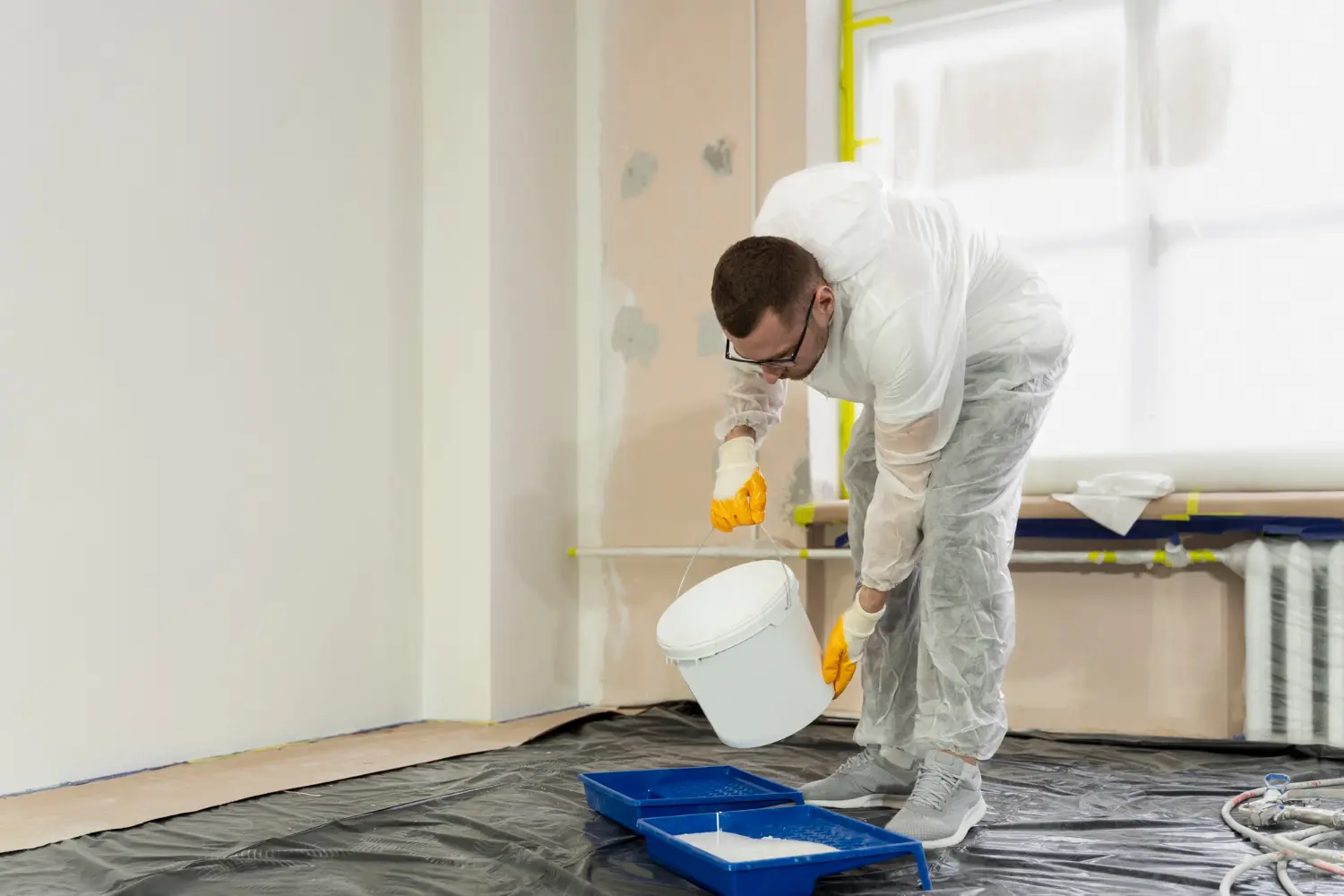
Painting a home is already disruptive. Add children and pets into the mix, and it’s easy to worry about safety, routines, and how livable the space will be while work is underway. Loud tools, unfamiliar smells, and partially finished rooms can quickly turn a simple update into a source of stress if it isn’t planned carefully.
This is why residential painting contractors approach family homes differently. Projects are not planned in a vacuum. Household schedules, shared living spaces, and the presence of kids and pets all influence how work is timed, staged, and carried out. Decisions about when to paint, which rooms to start with, and how areas are contained are shaped by how the home is actually used day to day.
Understanding how residential painting contractors work around pets and kids helps homeowners know what to expect before a project begins. From scheduling choices to safety adjustments and project flow, each part of the process is designed to keep the home functional while work is in progress. It starts with how household routines influence the way painting projects are planned.
Household Routines Shape How Painting Projects Are Scheduled
In homes with children and pets, painting schedules are shaped less by convenience and more by how the household actually functions. Daily routines, shared spaces, and periods of high activity all influence when work can happen without causing unnecessary disruption. This is one of the main ways residential painting contractors work around pets and kids from the very start of a project.
Instead of treating the home as a static workspace, contractors plan around real patterns. School drop-offs, nap times, work-from-home hours, and evening routines all affect which rooms can be painted and when. Understanding these rhythms allows the project to move forward without forcing families to reorganize their entire day.
Scheduling decisions commonly account for:
- Times of day when certain rooms are used less frequently
- Natural breaks in household activity, such as school hours or regular outings
- Avoiding high-traffic periods like meal prep, homework time, or bedtime routines
- Sequencing rooms so the family isn’t displaced from multiple areas at once
Phasing plays an important role as well. Rather than painting several living areas simultaneously, work is often broken into stages. This allows finished rooms to be reopened quickly while progress continues elsewhere, helping maintain a sense of normalcy throughout the project.
Daily start and stop points are also planned with routines in mind. Shared spaces are typically left usable at the end of each workday, which helps families keep their usual flow even while painting is underway.
By grounding the schedule in household routines, painting feels more manageable. The project advances steadily, but life inside the home doesn’t have to pause to make it happen.
Work Areas Are Contained to Keep Pets Out of Active Zones
Pets experience painting projects very differently than people do. New smells, unfamiliar voices, open doors, and changing layouts can cause anxiety or curiosity that puts them at risk. Because of this, residential painting contractors place a strong emphasis on controlling where work happens and how spaces are separated.
Containing active work zones is a core part of how residential painting contractors work around pets and kids. Rather than allowing movement throughout the home, painting areas are clearly defined so pets are kept away from wet paint, tools, and equipment.
This typically involves:
- Closing off rooms where painting is underway using doors or temporary barriers
- Managing entry and exit points to prevent pets from slipping into active areas
- Planning airflow and ventilation so strong odors are limited to work zones
- Sequencing work to minimize the number of restricted areas at any given time
Noise is another factor contractors account for. Equipment sounds can be stressful for animals, especially when they’re unexpected or prolonged. Work is often planned so louder tasks are grouped together or scheduled during times when pets are less active or temporarily away from the space.
For some households, contractors may recommend alternative arrangements for particularly sensitive or reactive pets. This isn’t about inconvenience, but about reducing stress and avoiding unsafe situations during certain phases of the project.
By controlling access and containing work zones, painting can move forward without creating constant tension for pets or the people caring for them. This containment also supports cleaner, safer conditions as the project progresses.
Safety Protocols Change When Children Are Present
When children are in the home, painting projects require additional safeguards. Tools, materials, and partially finished surfaces can create hazards if work areas are not carefully managed. Residential painting contractors account for this by adjusting how equipment is handled and how movement through the home is controlled.
Safety planning often starts with identifying which areas children use most throughout the day. Bedrooms, playrooms, hallways, and kitchens tend to receive special attention, since these spaces are harder to keep off-limits for long periods. Contractors may prioritize these areas early in the project or schedule work so they can be reopened quickly.
Common safety adjustments include:
- Storing tools, ladders, and materials in secured areas when not in use
- Keeping paint supplies and equipment out of reach at all times
- Taping off or blocking access to freshly painted rooms
- Managing cords and drop cloths to reduce tripping risks
Traffic flow is also carefully considered. Painting crews plan around mealtimes, homework hours, and bedtime routines so children are not moving through active work zones during busy parts of the day. This helps reduce frustration for families while keeping the work environment safer.
By adjusting safety protocols to reflect how children move through the home, painting projects can stay on schedule without creating unnecessary risk. These precautions allow families to continue daily routines while work progresses in a controlled, predictable way.
Project Flow Is Adjusted to Limit Disruption in Shared Living Spaces
In homes with kids and pets, shared spaces can’t simply be taken out of use for long stretches of time. Kitchens, hallways, bathrooms, and living rooms still need to function, even while painting is underway. Residential painting contractors account for this by adjusting project flow to keep disruption as limited as possible.
Rather than treating the home as a single work zone, contractors typically plan the project in phases. This approach allows certain areas to remain usable while others are being painted, helping households avoid feeling boxed in.
Project flow adjustments often include:
- Working room by room instead of tackling multiple shared areas at once
- Timing work in common spaces so they can be reopened the same day whenever possible
- Prioritizing high-use areas early to reduce long-term inconvenience
- Coordinating drying times so families are not locked out of essential rooms
Daily cleanup plays an important role as well. Shared spaces are usually returned to a safe, usable condition at the end of each day, even if work is continuing elsewhere. This helps maintain routines and prevents unfinished areas from spilling into everyday life.
By managing project flow intentionally, painting remains a background activity rather than a constant disruption. Families can continue using their homes while progress continues steadily, without the feeling that the entire space is under construction at once.
Wrap-Up: What This Means for Painting in Homes With Pets and Kids
Painting a home with children and pets does not have to disrupt daily life. When household routines, shared spaces, and safety needs are considered early, painting projects can move forward in a controlled and predictable way. Scheduling, containment, and phased work all help keep the home functional while progress continues.
Understanding how residential painting contractors work around pets and kids explains why planning plays such a critical role. Decisions about room order, access, and safety are shaped by how the home is used, not just by the scope of work. This approach allows families to stay in their homes during painting without constant disruption.
If you’re considering a residential painting project and have children or pets at home, our residential painting services are designed to account for real household needs. We plan projects around routines, shared living spaces, and safety considerations so the work fits into daily life rather than interrupting it.