
Why Winter Is the Best Time to Schedule Equipment Painting
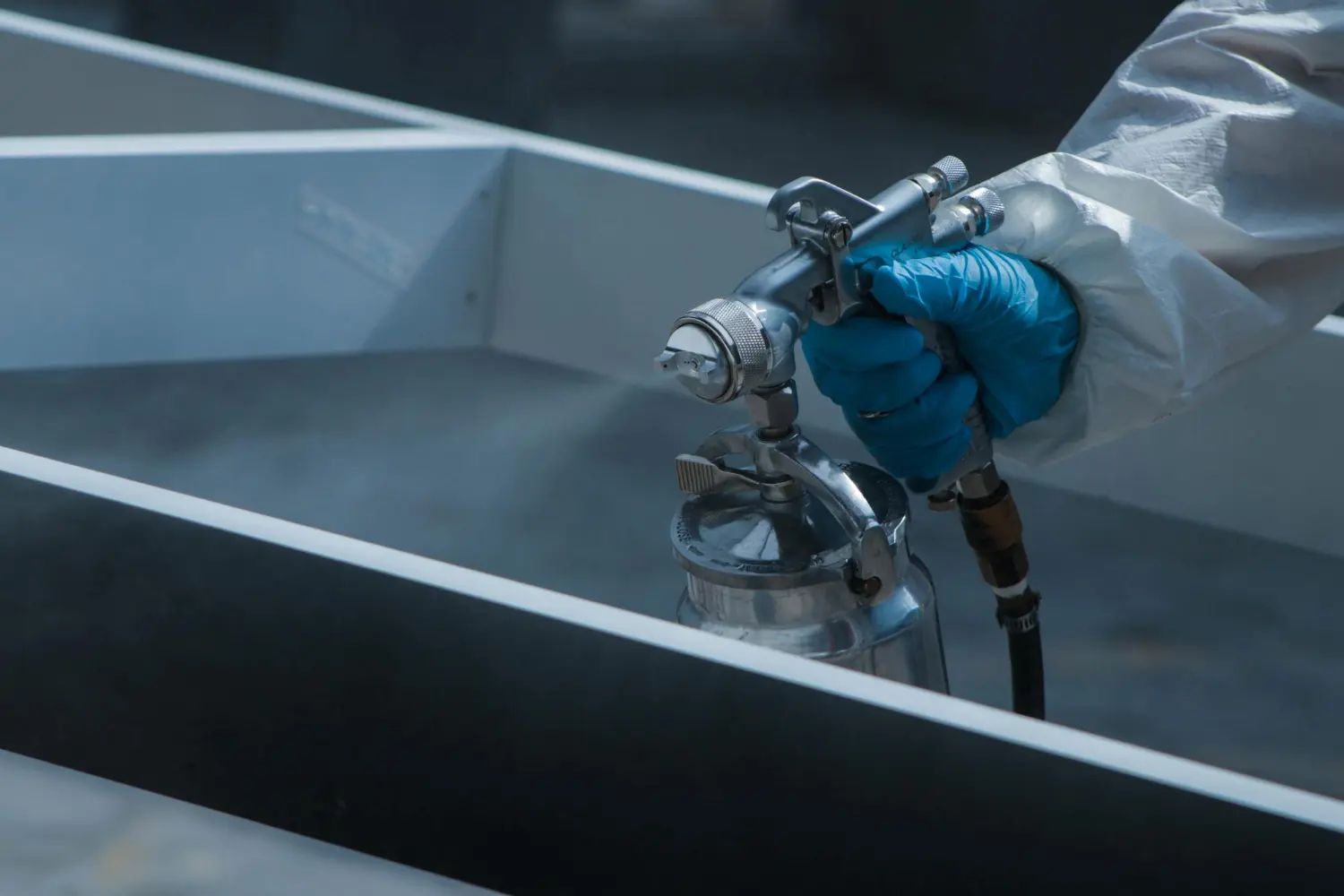
Winter is often treated as a pause in industrial facilities. Projects are delayed, schedules loosen, and many equipment updates are pushed into a future planning cycle. Equipment painting is frequently grouped into that category, assumed to be easier to handle once spring operations are back in full swing.
In practice, winter changes how facilities schedule work and how equipment is affected while it sits indoors. Downtime, access, and coordination tend to look different during colder months, while seasonal exposure can continue to impact equipment surfaces even inside controlled spaces. Looking at winter through both lenses — scheduling and risk — helps clarify when equipment painting makes the most sense and what can happen when it’s postponed.
Why Winter Makes Scheduling Equipment Painting Projects Easier
Winter often shifts how industrial facilities operate. After year-end deadlines pass and before spring demand ramps up, production schedules tend to level out. That change creates more flexibility for planning maintenance work that’s difficult to fit in during busier seasons.
For equipment painting, timing and access matter just as much as the work itself. When fewer machines are running at full capacity, coordinating around active equipment becomes far easier.
Winter scheduling often allows facilities to:
- Align painting projects with planned downtime or reduced shifts
- Designate work zones without constant stop-and-start interruptions
- Coordinate sequencing more smoothly around active equipment
Another advantage of winter planning is reduced pressure. With fewer competing projects underway, painting work can be scheduled deliberately instead of rushed to meet peak-season demands. That extra breathing room helps minimize last-minute changes and keeps projects moving efficiently once they begin.
Rather than squeezing equipment painting into an already crowded spring or summer schedule, winter provides a more realistic window to plan and complete indoor projects around actual facility availability.
Why Waiting Until Spring Can Increase Equipment Wear
Even indoors, winter can create conditions that quietly accelerate equipment wear. When production slows and machinery runs less often, surface issues are easier to miss and harder to correct later.
Several winter-specific factors tend to contribute to this wear:
- Tracked-in salt and moisture: Snow, slush, and de-icing materials brought into facilities can settle around equipment bases and floor-level components. Over time, these materials can break down existing coatings and expose metal surfaces.
- Condensation from temperature swings: Large buildings with overhead doors, variable heating zones, or frequent door openings often experience moisture buildup on equipment surfaces during winter.
- Idle equipment exposure: Machinery that sits unused doesn’t dry out as quickly. Small coating failures can go unnoticed when equipment isn’t in constant operation.
When these conditions are left unaddressed, minor surface issues can progress throughout the winter months. By the time spring production ramps up, routine coating maintenance may require additional prep, repair, and downtime.
Addressing equipment painting earlier — before damage compounds — helps prevent winter-related wear from turning into a more disruptive project later in the year.
What to Consider Before Scheduling Winter Equipment Painting
While winter can be a workable planning window, not every facility or piece of equipment can be addressed at the same time. Before scheduling equipment painting, it’s important to account for a few operational realities that can affect timing.
Some considerations tend to come up more often during winter months:
- Equipment availability: Certain machines may still be critical year-round, even during slower periods. Identifying which equipment can be taken offline — and for how long — helps avoid conflicts later.
- Space and staging limitations: Indoor painting requires room for access, containment, and safe movement. Facilities with tighter layouts may need to sequence work more carefully during winter operations.
- Temperature consistency inside the facility: While projects are performed indoors, fluctuating heating zones or frequent door openings can impact scheduling and coordination.
- Internal approvals and maintenance planning: Winter projects often overlap with budgeting, audits, or maintenance planning cycles. Aligning timelines early helps prevent delays once work is ready to begin.
Addressing these factors upfront helps determine whether winter scheduling is practical for a specific facility and which areas should be prioritized. When expectations are clear before work begins, projects are easier to coordinate and less likely to disrupt operations later.
How Equipment Painting Is Coordinated During Winter
Winter projects succeed or fail based on planning. For equipment painting, coordination matters more than the season itself, especially when facilities are operating on adjusted schedules.
Professional crews plan winter projects around how the facility actually functions during colder months. That includes understanding production flow, identifying quiet windows, and sequencing work so equipment access doesn’t interfere with operations.
Winter coordination typically focuses on:
- Aligning work with downtime or reduced activity: Painting is scheduled around planned pauses, shift changes, or low-use periods to minimize disruption.
- Managing indoor temperature and airflow: Consistent temperatures and controlled airflow help coatings cure properly while avoiding condensation issues common in winter environments.
- Sequencing equipment and work zones: Projects are broken into stages so active machinery remains accessible while other areas are addressed.
- Clear communication with facility teams: Winter schedules often change, so maintaining alignment on timing, access, and daily progress is critical.
Because winter projects tend to face fewer competing demands, this level of coordination is easier to maintain. Instead of rushing around peak production cycles, teams can focus on execution, sequencing, and quality control.
When equipment painting is planned deliberately around winter operations, the work integrates smoothly into the facility’s schedule rather than competing with it.
Start Winter Strong to Stay Ahead in Spring
Winter often determines how smoothly facilities transition into the busier months ahead. When equipment painting is planned during colder periods, projects are completed before production schedules tighten and access becomes limited.
Handling coating work earlier helps reduce last-minute repairs and reactive maintenance once spring operations ramp up. Instead of addressing surface damage under time pressure, facilities start the season with equipment that’s already protected and ready for higher use.
For many operations, winter scheduling isn’t about taking advantage of the season itself — it’s about choosing the moment when planning, access, and coordination are most realistic. Equipment painting completed during this window allows teams to move into spring with fewer disruptions and fewer surprises.
If you’re evaluating when to plan your next equipment painting project, winter may offer the flexibility and control that’s harder to find later in the year. To discuss scheduling options and how projects can be coordinated around your facility’s operations, contact Armor Tough Coatings to start the conversation.