Understanding Industrial Protective Coatings for Heavy Equipment
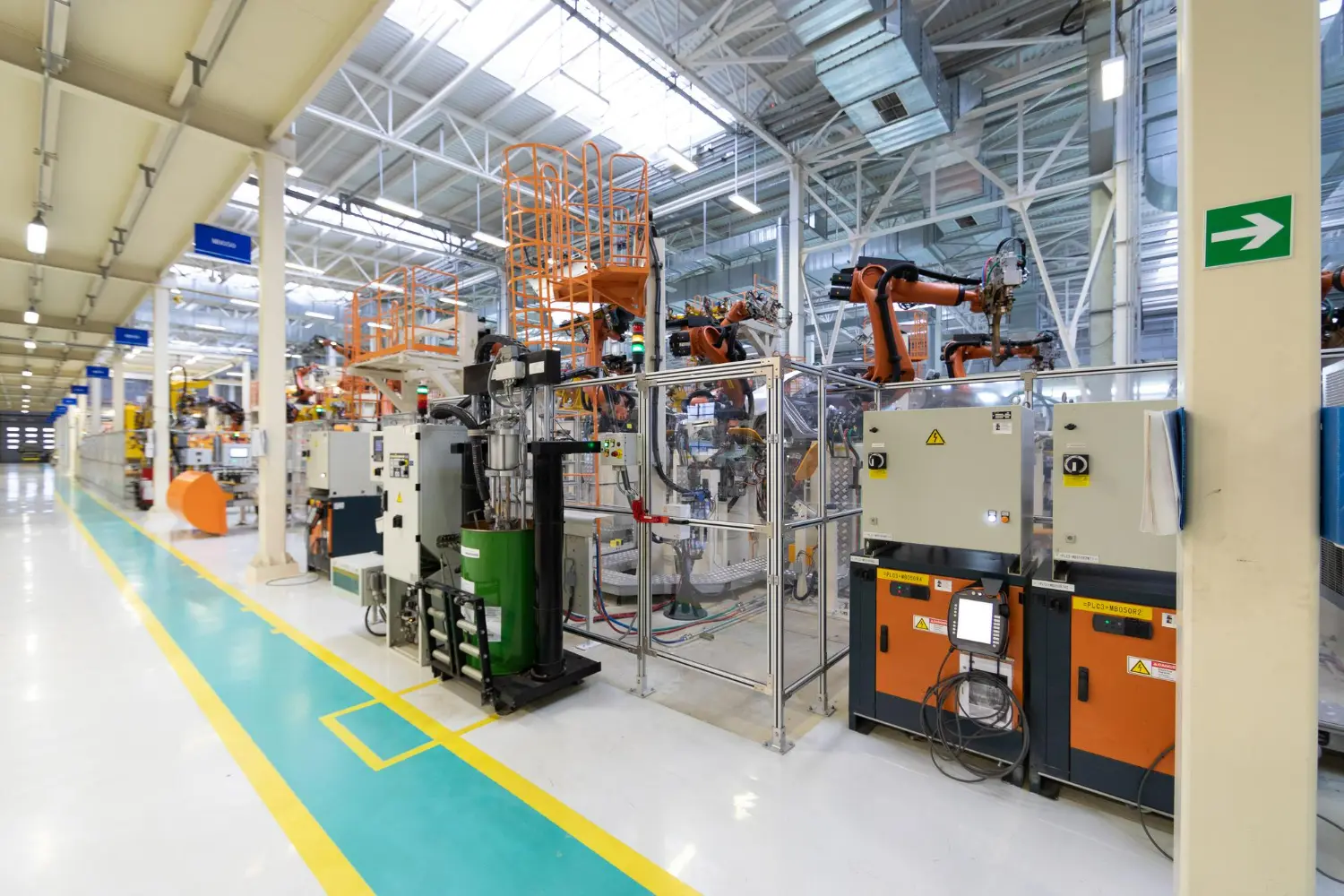
Heavy equipment works hard, especially around Metro Detroit. When rust, corrosion, or chemical damage hits at the wrong time, work can stop fast. A machine that should be loading, lifting, or hauling ends up sitting in a yard or bay instead of earning money.
For contractors, plant managers, and facility leaders, that kind of downtime hurts. You deal with sudden repairs, missed schedules, and safety concerns around weakened parts. As outdoor and construction work picks up in spring, equipment is pushed even harder, in wet, salty, and muddy conditions that speed up damage.
Industrial protective coatings are one of the most effective ways to keep that from happening. With the right coating system on your machines and support structures, you can slow corrosion, resist chemicals, and keep equipment in service longer. At Armor Tough Coatings, we work with heavy equipment, plants, and facilities across Metro Detroit, so we see every day how the right coating can protect performance and profit.
What Industrial Protective Coatings Actually Do
Industrial protective coatings are more than simple paint. They are engineered systems built to shield metal, concrete, and other surfaces from harsh use. While standard paint focuses mostly on color and appearance, industrial coatings are designed for performance first.
Here is what sets industrial protective coatings apart from regular paint:
- Higher film build for stronger protection
- Better resistance to chemicals, fuel, and oils
- Stronger adhesion to properly prepared metal and concrete
- Longer life in harsh, high-traffic areas
For heavy equipment, coatings work in a few key ways.
Barrier protection creates a sealed layer that keeps moisture, oxygen, road salt, and chemicals away from bare metal. Without that barrier, corrosion and rust take over, especially around welds, joints, and edges.
Mechanical resistance helps the surface stand up to:
- Impacts from rocks, scrap, and tools
- Abrasion from gravel, soil, or aggregates
- Constant loading, dumping, and material flow
Environmental resistance is also important in Michigan. Coatings must handle bright sun, UV exposure, hot and cold swings, snow, ice, and de-icing agents used on job sites and roads.
These systems are used on many parts of your equipment and facility, such as:
- Frames, booms, buckets, and beds
- Hoppers, chutes, and loading areas
- Hydraulic housings and guards
- Undercarriages and lower frames
- Catwalks, guardrails, and platforms
- Storage racks and support steel around your plant
When these areas are protected, equipment holds up better, looks cleaner, and stays safer to run.
Choosing the Right Coating for Harsh Work Environments
Not every industrial protective coating fits every piece of equipment. The best system starts with a clear look at how and where the machine is used.
Some key things to consider are:
- Indoor or outdoor use and exposure to sun, rain, and snow
- Contact with chemicals, oils, fuel, fertilizers, or cleaners
- The kind of material handled, like aggregate, scrap, or soil
- Impact zones where buckets hit, materials drop, or parts rub
Once the working conditions are clear, different coating types can be matched to the job.
Epoxy coatings are a common choice for heavy-duty protection. They form a hard, thick film with strong chemical resistance. Epoxies are often used on:
- Equipment bases and support steel
- Plant floors and loading areas
- Machinery that sees frequent washdowns or spills
Polyurethane and polyaspartic topcoats are used where long-term UV stability and appearance matter. They help keep color and gloss on exterior equipment that sits in the sun and weather. These finishes also add extra abrasion resistance over an epoxy base.
Zinc-rich and other corrosion-inhibiting primers give strong protection for steel in tough environments, similar to coastal or high-salt areas. Around Metro Detroit, where road salt is heavy in winter, these primers help slow rust on frames, rails, and structural steel.
A full coating system often includes:
- A primer for bonding and corrosion control
- One or more mid-coats for thickness and impact resistance
- A topcoat for UV stability, color, and cleanability
For mission-critical equipment that keeps a plant or job site running, a premium three-layer system with all three layers usually makes sense. Secondary assets or rarely used pieces may do well with a more basic system. Professional contractors like our team study your equipment, work environment, and expected service life before recommending a setup.
Why Surface Preparation Makes or Breaks Coating Performance
Even the best industrial protective coating will fail early if the surface under it is not prepared correctly. Good adhesion is everything. If the coating lets go, rust will creep in behind it and spread.
Common surface problems on heavy equipment include:
- Oil and grease from hydraulics and moving parts
- Old, peeling paint that is no longer bonded to the metal
- Rust scale and mill scale on steel surfaces
- Anchored dirt, dust, and road film from outdoor use
To deal with these issues, surface preparation usually follows a few steps.
Mechanical prep includes grinding, sanding, or media blasting to remove loose coatings and rust. This also creates a proper surface profile so the new coating can grip. Different levels of blasting or grinding are used based on how bad the damage is.
Chemical cleaning and degreasing remove oils, fuel residue, cutting fluids, and shop grime. This step is especially important around engines, hydraulics, and moving parts where leaks may have happened.
Rust treatment and repair may involve spot blasting to bright metal, using rust converters on limited areas, and repairing pitted or damaged sections. If there are holes or deep damage, those issues need to be fixed before any coating is applied.
Professional application also depends on controlling environmental conditions. Temperature, humidity, and dew point affect how coatings cure and bond. Early spring can be tricky, with cold nights and warmer days, so timing and planning are important.
Application methods are chosen based on coating type and part shape. Brush and roll may be used on smaller or detailed areas, while spray application works well for larger surfaces and complex geometry. Quality control steps like checking film thickness, testing adhesion, and close visual inspection help ensure the finish will last.
Long-Term Benefits of Protective Coatings for Your Fleet
When heavy equipment is properly coated and maintained, the benefits add up over time.
Coatings help extend asset life by slowing corrosion and preventing deep metal loss. Structural repairs become less frequent, and the equipment stays sound longer. That means fewer surprises like cracked frames, leaking tanks, or failure around rusted welds.
With fewer corrosion-related issues, uptime improves. Machines spend more time working and less time waiting for emergency fixes. Over the life of the fleet, that reliability can be a big advantage.
From a cost and ROI standpoint, industrial protective coatings are an investment that supports:
- Fewer large repair projects caused by rust and chemical attack
- Less frequent full repaints or sandblasting cycles
- Lower day-to-day maintenance on appearance and cleaning
Coated surfaces are often easier to wash down, especially when topcoats resist staining and buildup.
Safety and appearance also benefit. Bright, well-marked platforms, steps, and rails help workers see trip and slip points. Non-slip coatings on access areas improve footing. Strong, sound steel reduces the risk of sudden failure under load.
Well-kept equipment also sends a message. When your fleet and facility look clean and professional, it reflects a safety-minded, organized operation. It can even help maintain resale value when it is time to rotate older machines out of service.
Get Your Heavy Equipment Spring-Ready with Armor Tough Coatings
As weather warms, many contractors, plants, and facilities use this window to get equipment ready for the busy season. Late winter and early spring are a smart time to inspect machines, support steel, and floors, then address coating issues before workloads and schedules get tight.
A practical way to start is to make a short priority list:
- Equipment with active rust or flaking paint
- Areas that see constant chemical or salt exposure
- High-impact zones on buckets, beds, and hoppers
- Platforms, steps, and guardrails that are worn or slick
At Armor Tough Coatings, we work with industrial protective coatings on heavy equipment, support steel, epoxy floors, loading docks, and storage areas across Metro Detroit. Our team understands how freeze-thaw cycles, winter road salt, and seasonal shifts can speed up corrosion and wear.
We take a collaborative approach, with on-site assessments and coating recommendations tailored to your budget, schedule, and production needs. By phasing projects and planning around your busiest times, coating work can be completed with less disruption to your operation.
When you gather photos, maintenance notes, and details on your biggest trouble spots, it becomes easier to build a focused plan. With the right industrial protective coatings in place, your fleet and facility can head into the busiest months stronger, safer, and ready to work.
Get Started With Your Project Today
If your facility needs durable industrial protective coatings that stand up to real-world wear, we are ready to help. At Armor Tough Coatings, we evaluate your environment, substrates, and operating conditions so you get the right system the first time. Share a few details about your project and we will provide a clear, straightforward plan and timeline. To discuss your goals or schedule a site visit, contact us today.