

Cabinet Refacing vs. Refinishing: Which Option Is Right for Your Kitchen?
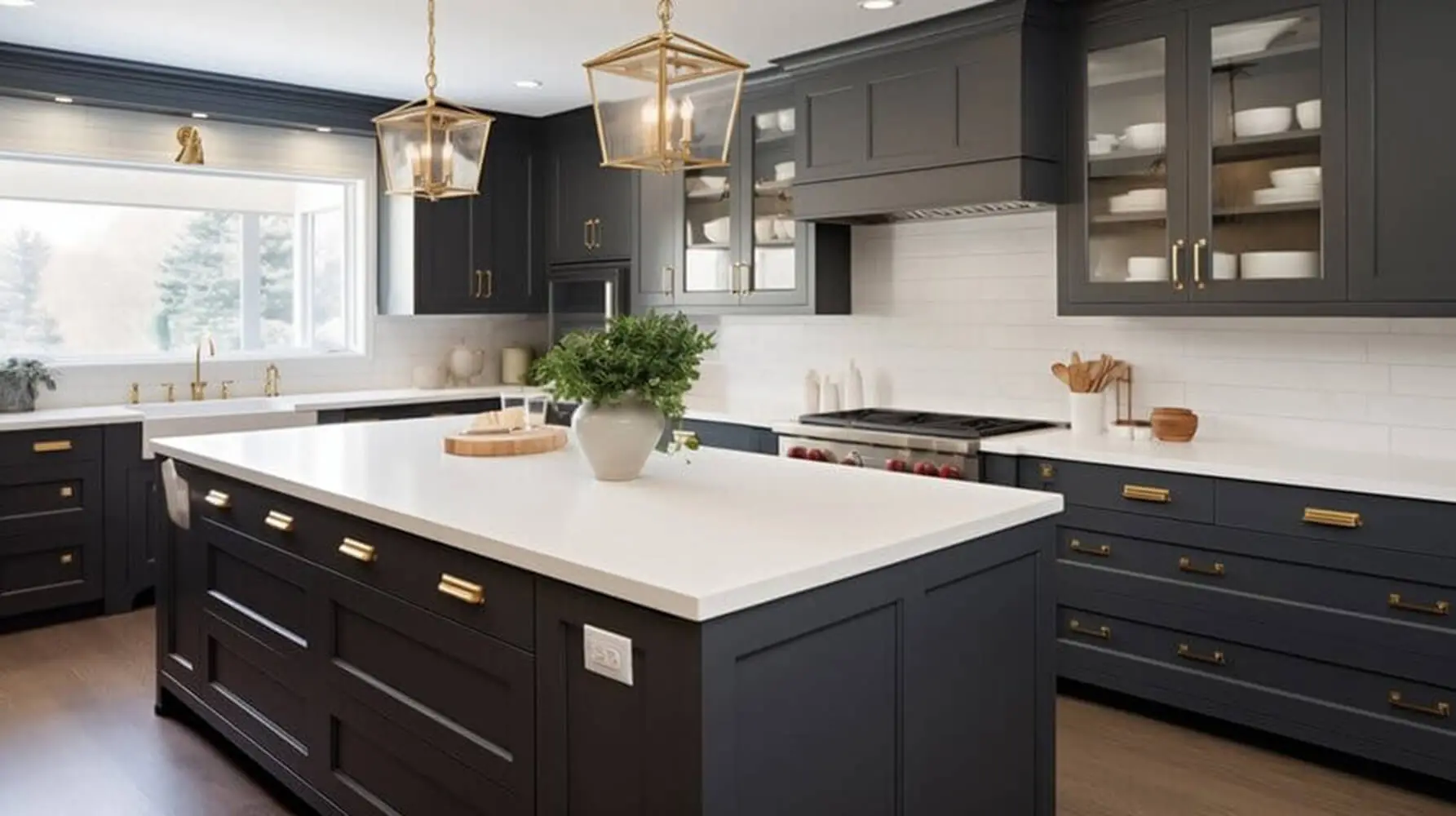
Most homeowners know they want updated kitchen cabinets. Fewer know exactly what that means in practice.
Cabinet refinishing and cabinet refacing are two distinct services that often get grouped together or confused with each other. Both update the look of your kitchen without replacing the cabinets entirely. But they accomplish that in different ways, at different costs, with different results — and they’re suited to different situations.
Understanding the difference between cabinet refacing and refinishing isn’t just a matter of terminology. Choosing the wrong option for your cabinets means paying for a solution that doesn’t fully solve your problem. Choosing the right one means getting the kitchen update you’re after without more disruption or expense than necessary.
This blog breaks down what each service involves, how they compare on the dimensions that matter, and which situations call for one over the other.
What Is Cabinet Refinishing?
Cabinet refinishing is a surface-level update. The cabinet boxes stay exactly where they are, the doors and drawer fronts stay on, and the existing finish is stripped or sanded down to prepare the surface for a new coat of paint or stain.
Nothing about the physical structure of your cabinets changes. The boxes, the layout, the door style, the hardware holes — all of it stays in place. What changes is the surface: the color, the sheen, and the overall freshness of the finish.
Refinishing is designed to correct cosmetic problems. Cabinets that have yellowed over time, chipped along the edges, faded unevenly, or are carrying a stain color that no longer fits the kitchen are good candidates for this service. The underlying structure is fine — the finish is the problem.
It’s worth being clear about what refinishing is not. It isn’t a fresh coat of paint rolled on over whatever is already there. Proper refinishing involves thorough surface preparation — cleaning, deglossing, sanding, and priming before any finish is applied. That preparation work is what determines how long the result holds up. A professional refinishing job done correctly looks clean and lasts. A shortcuts version doesn’t.
What Is Cabinet Refacing?
Cabinet refacing is a more extensive update than refinishing. The cabinet boxes stay in place, but the doors and drawer fronts are replaced entirely, and the visible exterior surfaces of the boxes — the sides and face frames — are covered with a veneer or matching material that gives everything a cohesive new look.
The change is more than surface deep. With new doors and drawer fronts comes a new door style. That means the profile, the panel design, the overall silhouette of the cabinets can all shift. Refacing doesn’t just update the color — it updates the form.
That distinction matters when you’re comparing options. Refinishing can give you a fresh, updated finish. Only refacing can give you a different cabinet style without replacing the boxes themselves.
It’s also worth understanding what refacing is not. It isn’t a full cabinet replacement. The interior boxes stay, the layout doesn’t change, and the kitchen isn’t torn apart in the process. For homeowners whose cabinets are structurally sound and whose kitchen layout works, refacing delivers a significant visual transformation without the cost and disruption of starting from scratch.
The Difference Between Cabinet Refacing and Refinishing
Both options update your kitchen cabinets without replacing them. That’s where the similarity ends. The two services differ in how much work is involved, what the result looks like, what they cost, and how long they take — and those differences matter when you’re trying to figure out which one is right for your situation.
How the Finished Results Differ
Refinishing changes the color and sheen of your cabinets. The door style stays exactly the same — same profile, same panel design, same overall shape. If you have raised panel doors going in, you have raised panel doors coming out.
Refacing changes more. New doors and drawer fronts mean a new door style is on the table. The profile, the panel design, the silhouette of the cabinets — all of that can change. Combined with new veneer on the box exteriors, the visual transformation is more substantial.
The practical distinction: refinishing updates the surface without altering the form. Refacing updates both.
How the Costs Differ
Refacing costs more than refinishing. That’s a straightforward reflection of what each service involves — more materials, more labor, and more installation work on the refacing side.
Neither option comes close to the cost of full cabinet replacement, which is a key reason homeowners consider both. But within the range of cabinet updates short of replacement, refinishing is the more affordable path and refacing is the more significant investment.
How the Timelines Differ
Refinishing is typically the faster service. It’s a surface process — prep, prime, finish — with no components to order or install. Once the work begins, it moves quickly.
Refacing takes longer. New doors and drawer fronts have to be ordered, which adds lead time before work even starts. Installation follows once materials arrive. For homeowners who need the kitchen back in full operation quickly, that difference in timeline is worth factoring into the decision.
When to Choose Cabinet Refinishing
Refinishing is the right fit when the cabinets are structurally sound, the layout works, and the door style still belongs in the kitchen. If that’s where you are, it also pays to prepare your kitchen before the work begins — a little planning upfront makes the process smoother. The only problem to solve is the finish itself.
That covers more situations than it might sound like. Cabinets that have yellowed, faded unevenly, chipped along the edges, or are carrying a stain color that no longer fits the space are all good candidates. If the bones are good and the style works, there’s no reason to do more than correct the surface.
There are conditions that disqualify cabinets from refinishing, though. Warping, delamination, and soft spots in the wood are structural problems — refinishing puts a new finish on the surface, but it doesn’t repair what’s underneath. Cabinets with that kind of damage need a different conversation before any cosmetic work begins.
It’s also worth being honest about the scope of what refinishing delivers. It’s a meaningful update. A kitchen with fresh, clean cabinet finishes looks noticeably different than one with worn, dated ones. But if the door style is part of what feels wrong about the kitchen, a new finish won’t solve that. Refinishing corrects the surface. It doesn’t change what the cabinets look like structurally.
When to Choose Cabinet Refacing
Refacing is the right fit when the cabinet boxes are structurally sound but the door style is part of the problem. If the profile feels dated, doesn’t match the direction the kitchen is going, or simply isn’t working anymore, a new finish won’t fix that. Refacing will.
It’s also the right choice when the homeowner wants a more substantial visual transformation than refinishing can deliver. New doors, new drawer fronts, and new veneer on the box exteriors add up to a kitchen that looks meaningfully different — not just freshened up.
Refacing tends to be the right call when one or more of the following is true:
- The door style feels dated or no longer fits the kitchen’s direction
- The goal is a more significant visual change than a new finish can deliver
- Hardware is part of the update — new door styles accommodate different hardware placement and profiles that refinishing doesn’t allow for
- The cabinet boxes and layout are working well, but the doors and drawer fronts are the problem
The case for refacing over replacement comes down to what’s already working. If the boxes are in good shape and the layout functions well, there’s no reason to tear everything out and start over. Refacing keeps what works and replaces what doesn’t.
One important condition: refacing requires structurally sound cabinet boxes. Boxes that are warped, water damaged, or deteriorating aren’t good candidates for refacing or refinishing. That’s a different conversation — one about replacement rather than updating what’s there.
The Right Update Starts with the Right Assessment
Cabinet refacing and refinishing are both legitimate paths to a kitchen update. They’re not competing options where one is clearly better — they solve different problems. Refinishing is the right answer when the finish is the problem. Refacing is the right answer when the style needs to change.
Getting that call right starts with an honest look at the cabinets. What’s the condition of the boxes? What’s driving the desire for an update — the surface, the style, or both? The answers to those questions point directly to which service makes sense.
That’s exactly the kind of assessment a professional can walk you through. If you’re weighing cabinet refacing vs. cabinet refinishing for your kitchen and want a clear answer based on what’s actually in front of you, we’d be glad to help. Contact us to schedule a free consultation, and we’ll take a look at your cabinets together.