

Signs Your Industrial Machinery Needs Repainting Before Damage Gets Worse
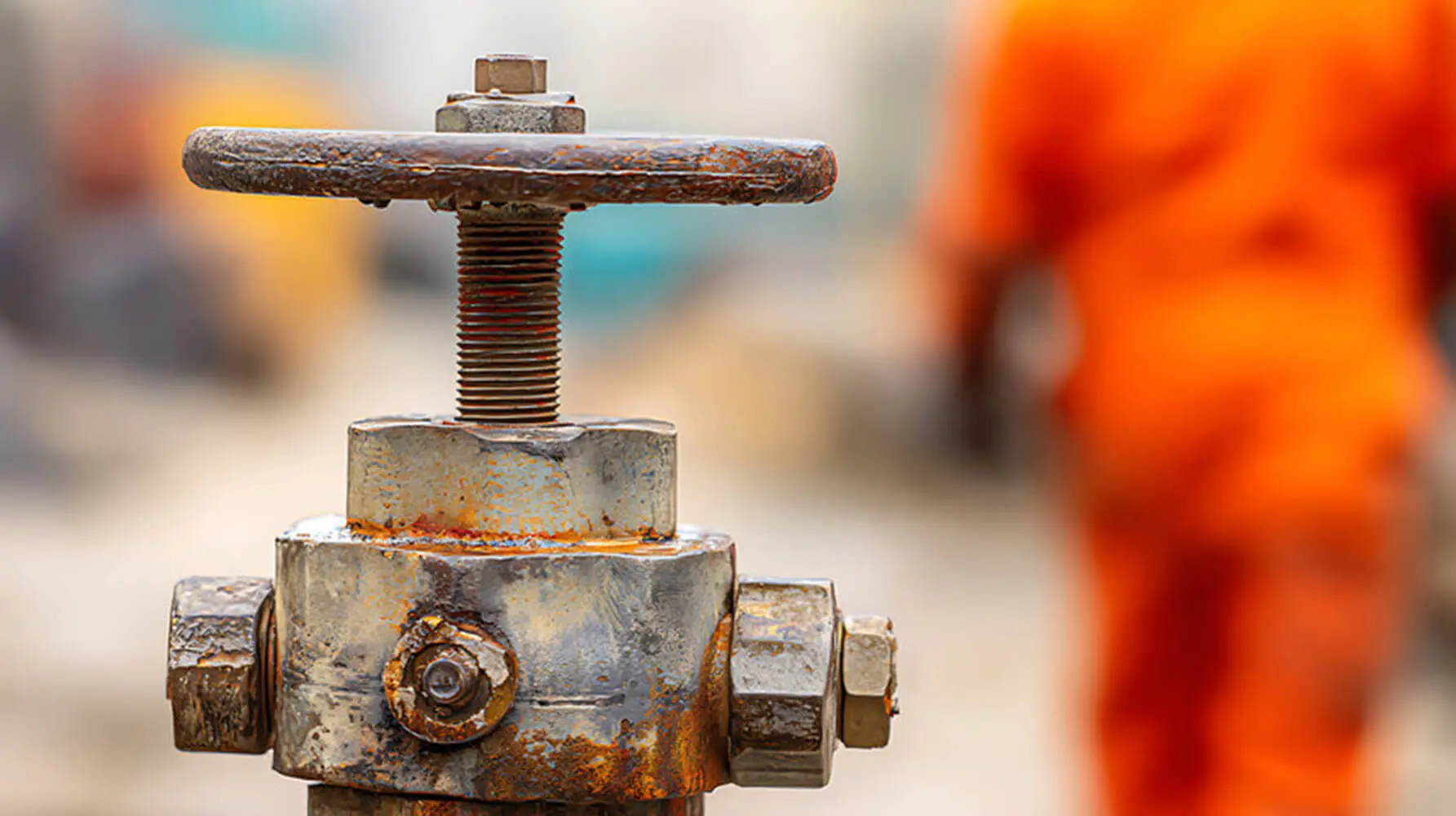
When equipment starts showing chips, rust spots, or a faded finish, the instinct for most plant managers is to put it on the list — somewhere below the things that are actively affecting production. Surface wear looks like a cosmetic problem, and cosmetic problems feel like they can wait.
The problem is that coating failure on industrial machinery is rarely just cosmetic. What’s visible on the surface is a signal about what’s happening to the metal underneath. And the longer those signals go unaddressed, the more expensive the problem becomes to fix.
Knowing which signs indicate real coating failure — and what each one means for the equipment — is the difference between catching a problem early and inheriting a much bigger one. Here’s what to look for.
Chipping and Peeling Paint
Chipping and peeling are usually the first visible signs that a coating is failing. Paint begins lifting away from the surface in flakes or chips — typically starting at edges, corners, or areas that take regular contact from equipment, tools, or moving parts.
What this indicates is an adhesion failure. The coating is no longer bonded to the substrate beneath it. That loss of adhesion rarely stays contained — once it starts in one area, the surrounding coating is usually not far behind.
The more immediate concern is what chipping exposes. Bare metal beneath a chip is unprotected metal. Moisture reaches it, oxidation begins, and what started as a small flake becomes a rust entry point. Left alone, that entry point grows — and the surrounding coating continues to lift, expanding the vulnerable area with it.
Chipping that covers a small area today can look very different after another season of production exposure.
Rust and Corrosion Forming on Exposed Surfaces
Rust is the most recognizable sign on this list, and also the most misread. When orange or brown discoloration appears on a metal surface, it’s easy to treat it as a surface stain. It isn’t.
Rust is a chemical process. It begins when moisture reaches bare metal, and once it starts, it continues whether the surface is visible or not. It is one of the core reasons professional coatings extend equipment life — the discoloration on the outside is evidence of a reaction that is already working its way into the metal beneath it.
On industrial equipment, rust tends to appear first in predictable locations:
- At chips or scratches where the coating has already broken down
- Along seams and joints where two surfaces meet
- Around fasteners and hardware where the coating is thinnest
- In areas that collect moisture or are difficult to dry after cleaning
The structural consequences are what make rust more than a cosmetic concern. Corrosion actively removes metal over time. On load-bearing components or moving parts, that loss of material is an equipment reliability issue. On any surface, the deeper the corrosion penetrates, the more aggressive the preparation required before recoating can even begin.
Catching rust at the surface discoloration stage is the best possible time to address it. By the time pitting is visible, the window for a straightforward repair has already closed.
Bubbling or Blistering Beneath the Surface
Bubbling and blistering look different from chipping. Instead of paint lifting from the edges, the coating appears to be pushing up from underneath — raised areas, rounded bubbles, or blisters forming across the surface while the coating itself is still technically intact.
That distinction matters because bubbling indicates a more advanced stage of deterioration than chipping does. Moisture or gases have worked their way beneath the coating layer. The substrate underneath is already reacting, and the coating above it is being pushed off from the inside.
This sign is worth treating urgently for two reasons. First, the coating in a blistered area is no longer providing any protection regardless of whether it has broken open yet. Second, blisters that go unaddressed will eventually rupture on their own. When they do, they expose the substrate abruptly and the deterioration that follows is rapid.
A few blisters in an isolated area can be easy to dismiss as minor. In a manufacturing environment, where heat, moisture, and chemical exposure are constant, that isolated area rarely stays isolated.
Chalking and Fading Finish
Chalking is one of the easier signs to overlook because it doesn’t look like damage. The surface becomes dull, color fades unevenly, and a powdery residue appears on the coating. It doesn’t look urgent. It looks like old paint.
What it actually indicates is that the coating’s resin has broken down. UV exposure and chemical degradation degrade the binding agents that hold a coating together at the molecular level. When those break down, the coating stops performing as a protective layer even though it still appears to be covering the surface.
That last point is what makes chalking easy to underestimate. The coating looks present. It isn’t functioning.
The progression from chalking to more serious failure follows a consistent pattern:
- The resin continues to break down as exposure continues
- The coating becomes brittle and loses flexibility
- Cracking and chipping follow
- Moisture reaches the substrate and corrosion begins
By the time chipping appears, the chalking stage has already passed. Recognizing chalking for what it is, a coating that has lost its protective function, is what allows the problem to be addressed before it moves to the next stage.
12:53 PM
Discoloration Around Heat or Chemical Exposure Zones
Discoloration Around Heat or Chemical Exposure Zones
Discoloration that appears in concentrated areas tells a different story than general fading. Yellowing, darkening, or uneven color change around heat sources, exhaust points, or surfaces that regularly contact chemicals or solvents indicates the coating in those zones has been pushed past its limits.
Industrial coatings are formulated to handle specific ranges of heat and chemical exposure. When equipment operates at temperatures or chemical concentrations beyond what the coating was designed for, the coating degrades faster than it would under normal wear. The discoloration is the visible evidence of that stress.
What makes this sign particularly significant is where it appears. Heat zones and chemical contact points are typically the areas under the most operational stress. A coating that has failed in those specific locations is leaving the most vulnerable parts of the equipment unprotected.
The consequences of ignoring discoloration in these zones include:
- Accelerated corrosion in areas that are already under mechanical and thermal stress
- Coating failure that spreads outward from the degraded zone
- Substrate damage in locations that are often harder to access and more costly to repair
Discoloration that appears concentrated rather than general is worth treating as a warning about the condition of the equipment in that specific area, not just the appearance of the surface.
Visible Substrate Showing Through the Coating
Bare metal showing through the coating is the most straightforward sign on this list. There is no ambiguity about what it means. The coating is gone in that area, and the metal beneath it has no protection.
This is different from chipping, where the coating is lifting but still present around the damaged area. When the substrate is visible, the coating has worn through entirely. What remains is a direct exposure point between the metal and everything the equipment encounters in a manufacturing environment — moisture, chemicals, heat, and physical contact.
The urgency here is immediate for a few reasons:
- Corrosion begins as soon as moisture contacts bare metal
- There is no remaining coating to slow the process
- Exposed areas tend to expand as the surrounding coating loses adhesion at the edges
- In high-contact or high-exposure locations, deterioration accelerates quickly
Visible substrate is not a sign that repainting is approaching. It is a sign that repainting is overdue. Every day that bare metal remains exposed is a day the underlying damage is compounding, and a day the eventual repair becomes more involved than it would have been.
If You’re Seeing These Signs, It’s Time to Act
The signs covered in this blog are not end-stage damage. Chipping, rust, bubbling, chalking, discoloration, and exposed substrate are all indicators that coating protection has broken down or is actively breaking down. They are early warnings, and that is exactly when they are least expensive to address.
The mistake most facilities make is treating these signs as things to monitor rather than things to act on. Monitoring buys time. It does not stop the deterioration. Every production cycle that passes with unprotected metal is time the underlying damage is compounding quietly.
For a plant manager who recognizes these signs on their equipment, the right next step is a professional assessment for machinery painting services. Not a sales conversation — an honest evaluation of the equipment’s current condition, what the damage looks like beneath the surface, and what it will take to address it before it becomes a larger problem.
If your equipment is showing any of these signs, we’d be glad to take a look. Contact us today to schedule a free assessment and get a clear picture of where your machinery stands.