

Epoxy Flooring in Winter: What Detroit Homeowners Should Know
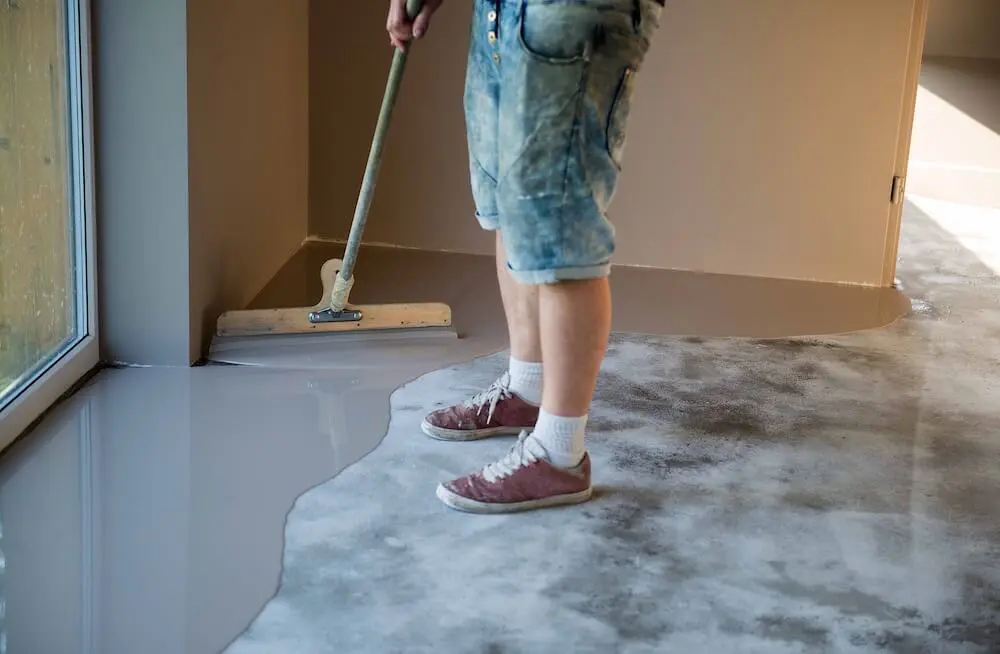
Cold weather in Detroit makes everything feel a bit slower and tighter, including home improvement projects. When it comes to epoxy flooring, winter conditions don’t stop the work—but they do change how it’s done. From timing the install correctly to managing indoor temperature, there are a few things Detroit homeowners should know before scheduling a winter epoxy floor.
Many homeowners aren’t sure what to expect when planning flooring work in December or January. Will it take longer to finish? Is it safe to install in the cold? Does the floor last as long?
Winter is also a great time to address issues like damp garages, especially since epoxy garage floors are known to handle moisture better than bare concrete.
These are fair questions, and understanding the answers helps you feel more confident about the process. If you’re considering epoxy flooring before spring rolls around, this guide breaks down what winter really means for your project.
How Cold Weather Affects Epoxy Flooring Work
Epoxy doesn’t respond to cold the way paint or carpet might. It depends on chemistry. Temperature changes how epoxy behaves, so we plan projects with that in mind.
When the air is cold, it slows down the time it takes for epoxy to cure. It may stay sticky longer or take more time to harden. Instead of rushing things, our crew adjusts the plan so each step fits the season.
Moisture from snow, ice, or condensation can sneak into the concrete if the surface isn’t dry. That’s why we always check for damp spots before we begin. Cold air mixed with wet surfaces creates problems. It can make the coating peel or not stick at all.
To keep things on track, we sometimes warm the space with heaters or schedule installs during mild spells. Some areas—like garages—may need closed windows, proper airflow, and a steady temperature for a full day or two.
Getting it done right means prepping the space for the conditions, not pushing through like it’s summer. When we do that, the end result stays strong all year.
Why Winter Projects Still Make Sense
Cold months might seem like a strange time for flooring, but waiting until spring isn’t always better.
Many homeowners are already indoors during winter. That means they notice slippery basement floors or salt stains more often. Scheduling the work now helps stop small issues from getting worse. It may also be a great time to explore long-lasting residential epoxy floors that handle salt, snow, and winter boots with ease.
We don’t have to worry about rain delays or fixing outdoor trim. Since epoxy flooring jobs in Detroit are mostly inside, the only weather we work around is indoor temperature. If we can keep the air steady and the surface dry, the job stays on course.
So if a project needs to happen between snowstorms, it can still be done safely and smartly. It just takes the right plan.
What Homeowners Typically Experience During a Winter Install
Winter installs don’t feel very different from warmer months when the space is ready and steps are followed. But there are a few extra things we might do behind the scenes.
To work faster and better, we might pre-warm the area using safe, portable heat sources. These help the floor dry in the time it needs to. We may also install on warmer days when the air isn’t dropping near freezing.
Some garages or basements hold a chill even when the heat’s on. When that happens, we get everything ready—then bring in the epoxy when the air is where it needs to be. That might mean working odd hours or prepping one day and applying the epoxy coat the next afternoon.
One way to help is by keeping the area clean, dry, and clear of anything that might block airflow. The projects that run smoothest are the ones where the space was prepped well before the crew got there.
When everything lines up, installs still happen pretty quickly. In most cases, the floor is walkable in about 24 hours. We still plan ahead for full cures, but you’ll be able to use the space soon after the work is complete.
How Homeowners Can Prepare for a Smooth Winter Epoxy Project
You don’t need to do the heavy work. But a few simple steps ahead of time can make a big difference in how fast the job goes and how well it turns out.
Here are a few tips to help:
- Clear large furniture, bins, or boxes from the room before the crew arrives
- Let the team know right away if you have pets, small children, or alarmed doors
- Keep outside doors and windows closed to block cold wind while work is happening
- Have a plan for keeping the space heated during and after the job
- Don’t test the floor early—wait for the crew’s okay before using the space
Setting the space right from the beginning helps avoid extra delays. Applying epoxy in cold months takes tight coordination. Your prep makes our job safer, faster, and cleaner.
A Finished Floor That Holds Up All Season
When it’s finished, a winter epoxy floor works just as hard—maybe harder—than floors finished any other time of year.
It stands up to slush, salt, snow boots, and rolling bins. Cleanups are easier, and slipping risks drop because of the textured surface. If installed right, cold months don’t change how long the floor will last.
We do recommend choosing the right finish for winter wear. Homeowners with busy garages or high foot traffic can ask about low-slip or grit-enhanced topcoats. And when small issues do show up, our epoxy flooring team know how to fix them fast without major delays.
No matter the finish, what matters most is doing the job at the right time, in the right way. When temperature, timing, prep, and care line up, even cold-season epoxy jobs go smoothly.
Winter weather moves fast, so if you’re thinking about adding durable, low-maintenance floors that hold up against salt, snow, and heavy traffic, let’s talk about epoxy flooring in Detroit. At Armor Tough Coatings, we’ll help you plan ahead so your space is ready before the freeze sets in.