

Why Facility Maintenance Painting Can’t Wait for Spring
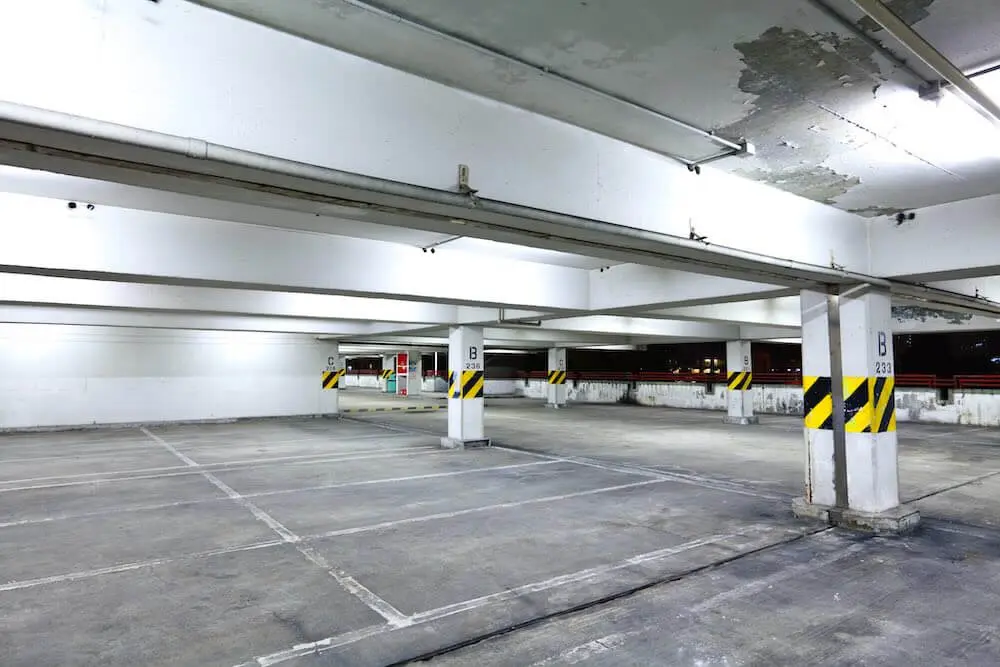
For many facility managers, winter feels like the wrong time to think about painting. Cold weather, busy schedules, and the idea that “we’ll deal with it in the spring” often lead to maintenance painting being pushed aside for a few months. On the surface, that delay can seem harmless, or even practical.
The reality is that winter can be one of the most important times to stay ahead of facility maintenance painting. While projects may slow down, buildings and surfaces are still taking a beating. Moisture, temperature changes, and daily use continue to wear down protective coatings, even when problems aren’t immediately visible.
This article looks at why winter shouldn’t be treated as a downtime for facility maintenance painting. It walks through what can happen when painting projects are delayed, how winter conditions contribute to faster surface deterioration, and which areas of a facility tend to be most vulnerable during colder months. It also explains how proactive maintenance helps protect long-term investments and reduce costly repairs later on.
By the end, facility managers will have a clearer understanding of why addressing coating issues before spring can make operations safer, more predictable, and easier to manage.
Why Winter Conditions Accelerate Surface Deterioration
In Detroit, winter creates a combination of environmental stresses that actively work against exposed or failing coatings. One of the most damaging factors is the freeze-thaw cycle. When moisture enters cracks, joints, or porous surfaces, it expands as it freezes. As temperatures fluctuate, that expansion and contraction puts repeated stress on both the coating and the underlying material.
Over time, these cycles widen existing cracks and weaken adhesion. Coatings that may have been holding on through warmer months can begin to lift, split, or separate once winter sets in.
Moisture exposure also increases during winter. Snow, ice, and slush are tracked into facilities, while condensation forms on cold surfaces in unheated or partially heated spaces. Even without direct water contact, damp conditions can persist long enough to compromise coating performance.
Salt and de-icing chemicals add another layer of damage. These materials are highly corrosive, especially when they come into contact with steel or penetrate concrete. When protective coatings are worn or damaged, salt accelerates corrosion and surface breakdown at a much faster rate.
Temperature swings impact coatings themselves as well. Some older or aging coatings become brittle in cold conditions. As different materials expand and contract at different rates, coatings lose flexibility and are more likely to crack or peel.
Key winter-related factors that accelerate deterioration include:
- Repeated freeze-thaw cycles
- Increased moisture from snow, ice, and condensation
- Salt and chemical exposure
- Temperature fluctuations that reduce coating flexibility
Taken together, these winter conditions put constant pressure on already stressed surfaces. Without intact protective coatings, that pressure adds up quickly, even when damage isn’t immediately visible.
What Happens When Facility Maintenance Painting Is Delayed
When facility maintenance painting is postponed, surfaces do not stay in the same condition they were when the decision was made. Protective coatings exist to shield concrete, steel, and other materials from moisture, chemicals, and physical wear. Once that protection begins to break down, deterioration continues beneath the surface.
During winter, small coating failures allow moisture to penetrate exposed areas. Water can seep into concrete, sit beneath lifting paint, or reach bare metal. These issues often go unnoticed at first, especially in less visible areas, but they continue to worsen with time.
Minor problems rarely stay minor. A small crack or blister can expand as moisture freezes and thaws. Light surface rust can spread underneath surrounding paint, weakening adhesion across a wider area. What might have required a simple repair earlier can turn into extensive surface preparation or structural remediation later.
Delaying painting also creates safety and compliance concerns. Worn coatings can reduce traction, expose sharp or uneven surfaces, and cause safety markings to fade. In active facilities, this increases the risk of slips, trips, and operational incidents.
Common issues caused by delayed maintenance painting include:
- Accelerated corrosion on steel and metal components
- Spalling or cracking concrete from moisture intrusion
- Peeling or flaking paint that contaminates work areas
- Faded or missing safety lines and warning zones
- Higher repair costs due to expanded surface damage
When painting is pushed off during winter, problems don’t stay frozen in place. They continue to develop in the background, often becoming more expensive and disruptive to address once they finally demand attention.
Facility Areas That Should Be Addressed Before Spring
Not every part of a facility is affected the same way during winter. Some areas are exposed to more moisture, traffic, and environmental stress, which makes coating failures show up faster and spread further. Identifying and addressing these vulnerable zones before spring helps limit damage and avoid larger, more disruptive repairs later.
Winter conditions tend to amplify existing weaknesses. Areas that already experience heavy use or exposure are often the first to show signs of deterioration. Focusing maintenance efforts on these spaces allows facility managers to stabilize conditions through the colder months and reduce the backlog of issues that typically surface once winter ends.
High-Moisture and High-Traffic Areas
Spaces that see frequent foot traffic or regular contact with water are under constant pressure during winter. Entrances, corridors, wash areas, and production zones often collect snow, slush, and salt brought in from outside.
This combination of moisture and abrasion wears down protective coatings more quickly. As coatings thin or fail, surfaces become harder to clean and more susceptible to staining, cracking, and long-term damage.
In these areas, winter-related wear can lead to:
- Faster coating breakdown from repeated wetting and drying
- Increased slip hazards due to reduced traction
- Moisture sitting on exposed surfaces for extended periods
Steel and Exposed Metal Surfaces
Steel and other exposed metal components face a higher corrosion risk during winter. Even small coating failures can allow moisture and salt to reach bare metal, creating ideal conditions for rust to develop.
Once corrosion begins, it often spreads beneath surrounding paint, making the damage less visible but more extensive. By the time rust appears on the surface, the affected area may already be larger than expected.
Common vulnerable metal areas include:
- Structural steel and support beams
- Handrails, guardrails, and safety barriers
- Doors, frames, and exposed equipment bases
Floors, Loading Docks, and Safety-Marked Zones
Floor coatings and safety-marked areas take on additional strain during winter operations. Forklifts, pallet jacks, vehicles, and foot traffic increase wear, while water and debris accelerate surface erosion.
As coatings deteriorate, slip resistance can decrease and safety markings may fade or disappear. This reduces visibility in areas where clear guidance is critical, increasing the risk of accidents and slowdowns.
Prioritizing these zones helps maintain safer, more predictable conditions throughout the winter months.
Why Proactive Facility Maintenance Painting Protects Your Investment
Proactive facility maintenance painting is about protecting assets before visible damage turns into costly repairs. When coatings are maintained on a planned schedule, facilities avoid the cycle of reacting to failures after they have already disrupted operations.
Preventative painting helps control long-term costs. Addressing coating wear early typically requires less surface preparation, fewer materials, and shorter project timelines. In contrast, waiting until coatings fail often means dealing with corrosion, concrete damage, or substrate repairs that significantly increase project scope and expense.
Maintained coatings also preserve the materials beneath them. Concrete, steel, and other structural surfaces last longer when they are consistently protected from moisture, chemicals, and abrasion. This extends the service life of facility components and reduces the need for premature replacements.
There are operational benefits as well. Facilities with well-maintained coatings are easier to clean, safer to navigate, and more consistent in appearance and performance. Clear safety markings, intact floor coatings, and protected structural elements support smoother daily operations, even during demanding winter conditions.
Proactive maintenance painting supports:
- Reduced long-term repair and replacement costs
- Improved safety and regulatory compliance
- Fewer emergency repairs and unplanned shutdowns
- Better asset longevity and budget predictability
By planning maintenance painting before problems escalate, facility managers protect both their physical assets and their operational stability.
Preparing Your Facility for Spring Starts in Winter
Waiting for spring to think about painting often sounds easier. But in buildings that run year-round, there’s barely time to catch up once warmer weather hits.
A facility that skips seasonal upkeep risks higher repair costs, slower productivity, and more hassle during busy months. Fresh paint prevents damage, boosts safety, and offers a better experience for everyone in the building—from delivery drivers to permanent staff.
Winter painting isn’t just a seasonal task you’re checking off. It’s your chance to protect what you’ve already built before wear and tear settle in for good. When we get ahead of it now, we save future stress later. And that makes a smoother, cleaner, and safer space all year long.
Get ahead of winter damage and keep your busiest spaces protected by scheduling your facility maintenance painting. At Armor Tough Coatings, we help Detroit businesses stay clean, safe, and work-ready through every season. From entry points to stairwells and loading docks, we handle the details so your space stays in top shape before spring rolls in.