

How Facility Maintenance Painting Works and Why It Matters
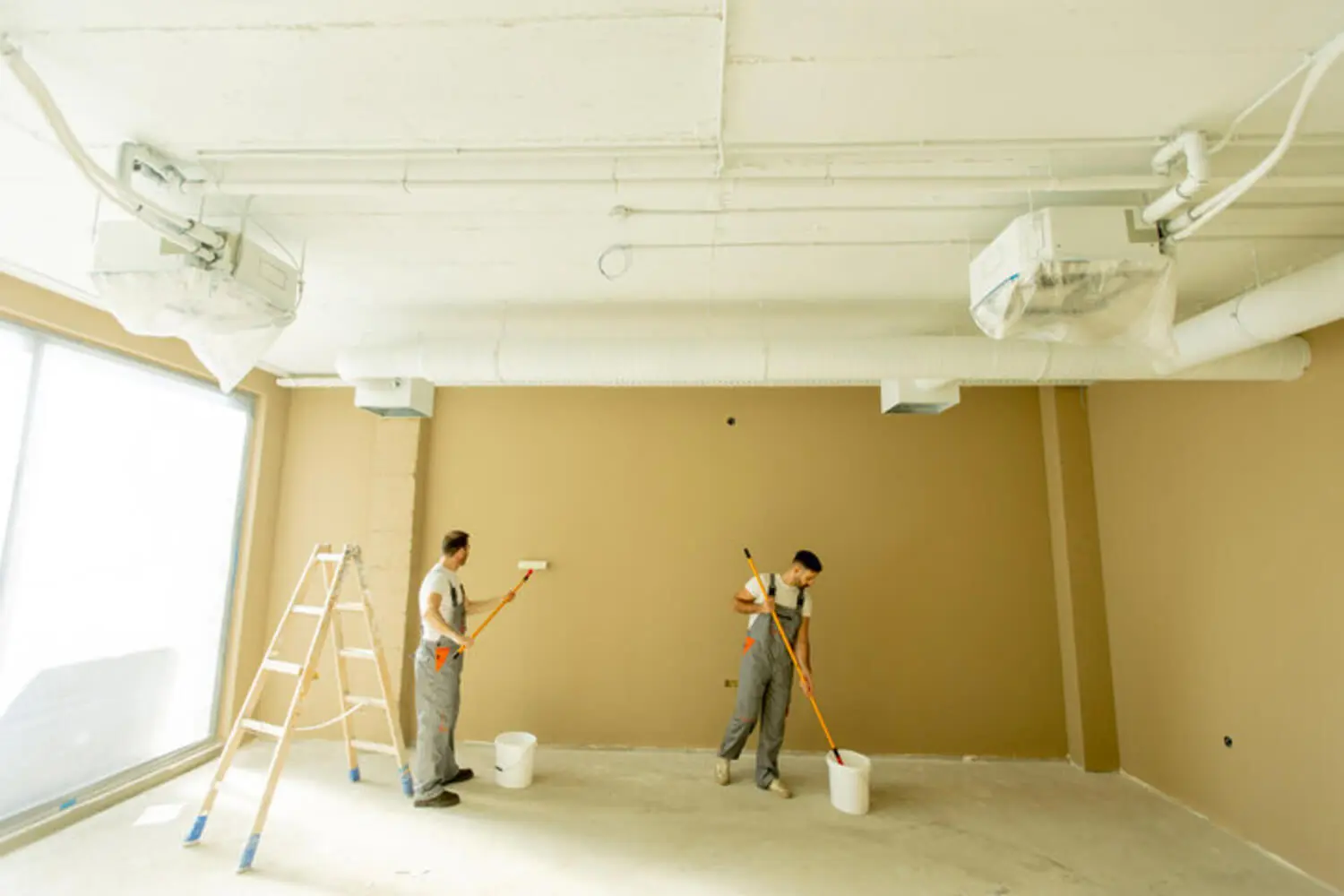
Most commercial and industrial facilities handle painting the same way. Surfaces get repainted when they look bad enough to deal with. The budget gets allocated when the problem becomes impossible to ignore. It feels like a practical approach — spend money when you have to, not before.
The problem is that this approach costs more than it saves. Reactive painting doesn’t defer expense. It accumulates it. Every cycle of delay followed by emergency repainting costs more than a planned maintenance program would have. Understanding how facility maintenance painting actually works — and why it consistently outperforms reactive painting on both cost and disruption — starts with understanding what each approach actually looks like in practice.
Reactive Painting vs. Planned Maintenance: What’s the Difference
Reactive painting uses visible deterioration as its trigger. Surfaces get repainted when peeling, fading, or chipping becomes impossible to ignore. The work is unplanned. The scope is determined by how bad things have gotten. The timing is set by the surface, not the facility.
Planned maintenance painting works from a different starting point. A professional assesses surface conditions on a schedule, identifies what needs attention before visible failure occurs, and builds a maintenance plan that sequences work by priority and fits around the facility’s operational calendar.
The operational difference matters as much as the cost difference. Reactive painting disrupts operations when it’s least convenient — when a surface forces the issue. Planned maintenance happens on a schedule the facility controls.
The cost difference follows directly from that distinction. Reactive projects arrive with more surface preparation required, less scheduling flexibility, and no time for competitive planning. Planned maintenance avoids all three.
What Facility Maintenance Painting Typically Covers
A facility maintenance program covers both interior and exterior surfaces. It is not limited to what’s visible from the street or what catches the most attention first.
The typical surface categories include:
- Exterior building surfaces: walls, facades, soffits, trim, and doors that face weather, UV exposure, and road salt
- Interior high-traffic areas: corridors, lobbies, stairwells, and shared spaces that show wear faster than the rest of the building
- Mechanical and industrial spaces: equipment rooms, loading docks, warehouses, and production areas where surfaces face chemical exposure, impact, and humidity
- Safety and compliance markings: floor striping, hazard identification, and directional markings that must stay visible and legible to meet safety standards
Not every facility has the same surface profile. A professional assessment determines which categories apply and what condition each one is in before any plan gets built.
It Starts with a Professional Facility Assessment
The first step in a facility maintenance program is a thorough walk of the building. A professional evaluates every painted surface — not just the ones that look worn, but the ones that are approaching failure without showing it yet.
The professional looks for:
- Active deterioration: peeling, cracking, chipping, and surface corrosion that require near-term attention
- Early-stage failure: chalking, fading, and adhesion loss that hasn’t become visible damage yet but will
- Environmental exposure: which surfaces face the most stress from weather, moisture, chemical contact, or physical impact
- Safety and compliance gaps: markings that have faded below legibility or coatings that no longer meet regulatory requirements
This assessment determines everything that follows. Without it, prioritization is a guess. Scheduling is reactive by default. The assessment is what separates a maintenance program from a reactional repaint on a calendar.
For the facility manager, this stage is a walkthrough and a conversation. The professional documents findings, asks about operational constraints, and builds a clear picture of what the facility needs before any plan takes shape.
Prioritizing What Gets Painted First
Not every surface gets addressed at the same time. A maintenance program sequences work based on what needs the most urgent attention and what delivers the most protection per dollar spent.
The factors that determine priority include:
- Current condition: surfaces in active failure get addressed before surfaces in early-stage decline
- Exposure level: exterior surfaces in direct weather contact deteriorate faster than protected interior surfaces
- Consequence of failure: a surface whose failure allows moisture intrusion or creates a safety hazard moves up the priority order over a surface whose failure is purely cosmetic
- Operational impact: high-traffic or revenue-generating areas may get prioritized for appearance reasons even when their condition isn’t the worst in the building
Prioritization also protects the maintenance budget over time. Addressing the right surfaces at the right time prevents lower-priority surfaces from deteriorating into active failure before the next maintenance cycle reaches them.
Building the Maintenance Schedule
The maintenance schedule comes from three inputs: the assessment findings, the priority sequence, and the operational calendar of the facility.
Michigan conditions make scheduling decisions more consequential here than in milder markets. Freeze-thaw cycles, road salt accumulation, and prolonged cold limit the exterior painting window. Exterior work performs best when scheduled between late spring and early fall, when temperatures and humidity allow coatings to cure correctly. Interior work can run year-round.
The professional builds the schedule around those constraints and around the facility’s operations. Low-activity periods, planned shutdowns, and off-hours windows all factor into when each phase of work gets placed on the calendar.
The result is a phased plan that sequences surfaces by priority, matches work windows to operational availability, and distributes the maintenance load across the year. It also looks ahead — not just at what needs painting now, but at what will need attention in the next one to three years. That forward visibility lets the facility manager plan budget and resources rather than react to surprises.
How Work Gets Done in an Active Facility
Painting an occupied, operational facility is different from painting an empty building. The work has to fit around people, equipment, and production without creating hazards or downtime.
Phased execution is how that works in practice. The professional divides the facility into sections and completes work area by area. One section is being painted while the rest of the facility operates normally. No area stays out of service longer than necessary.
During execution, the professional manages:
- Access coordination: scheduling crews into areas when they’re available and clear of operations
- Containment: protecting adjacent surfaces, equipment, and personnel from overspray, fumes, and debris
- Ventilation: managing air quality in enclosed spaces, particularly for interior work in occupied areas
- Quality control: verifying each section meets standard before moving to the next
For the facility manager, the experience is minimal disruption. The professional communicates day by day about what’s being worked on, what areas are accessible, and when each section returns to normal use. The facility maintenance program runs around the facility’s schedule, not the other way around.
The Pattern Reactive Facilities Get Stuck In
Reactive facilities follow a predictable cycle. A surface deteriorates past the point of ignoring it. An unplanned project gets initiated under time pressure. The scope is larger than it would have been with earlier intervention. The cost is higher than a planned program would have produced. Then the cycle repeats with the next surface.
What makes the cycle self-reinforcing is the preparation cost. As the September blog on what happens when you delay commercial painting covers in detail, deteriorated surfaces require more scraping, more priming, and more repair before any new coating can go on. That added cost leaves less budget for maintaining other surfaces. Those surfaces then deteriorate further before they get attention. The next reactive project costs even more.
The operational consequences compound alongside the cost. Unplanned projects disrupt operations on the surface’s timeline, not the facility’s. Work happens when the building forces the issue — which is rarely a convenient time.
There is also a point of no return. Surfaces that deteriorate past a certain threshold require structural repair before repainting is even possible. At that point, the facility isn’t managing a painting project. It’s managing a building repair.
The Long-Term Cost Difference Between Planned and Reactive
Planned maintenance costs less over time than reactive painting. It involves more consistent spending, but the total cost across any multi-year period is lower. The difference comes from what each approach requires in surface preparation, project scope, and urgency.
Planned maintenance eliminates several specific cost drivers that reactive painting produces:
- Reduced preparation costs: surfaces addressed before visible failure need less scraping, priming, and repair than deteriorated surfaces
- Extended surface life: coatings applied to properly maintained surfaces last longer, reducing the frequency of full repaints
- Eliminated urgency premiums: planned projects get scheduled in advance, which allows for competitive pricing, optimal weather windows, and no rush timelines
- Avoided structural repair: catching deterioration early prevents repair costs from stacking on top of painting costs
These savings compound over time. A facility running a planned commercial painting program doesn’t just save on each individual project. It reduces the total cost of maintaining every surface in the building across its full operational life.
A Smarter Way to Manage Your Facility’s Surfaces
Facility maintenance painting is not reactive painting on a schedule. It’s a structured approach that starts with a professional assessment, builds a prioritized plan, accounts for Michigan’s weather constraints, and executes work in phases that fit around operations. That approach consistently produces better outcomes than waiting for surfaces to fail.
A facility manager who currently handles painting reactively is paying more than necessary and dealing with more disruption than a planned program would require. The question isn’t whether planned maintenance is better. It’s whether the current approach is costing enough to make a change worth making.
The right first step is a professional facility assessment — a clear picture of what the building’s surfaces actually need and what a maintenance program would look like for this specific facility.
Contact us to schedule a free assessment. We’ll walk your facility, document what we find, and give you an honest picture of what a planned maintenance approach would involve.